Why Your HVAC Equipment Quality Matters
January 22, 2020
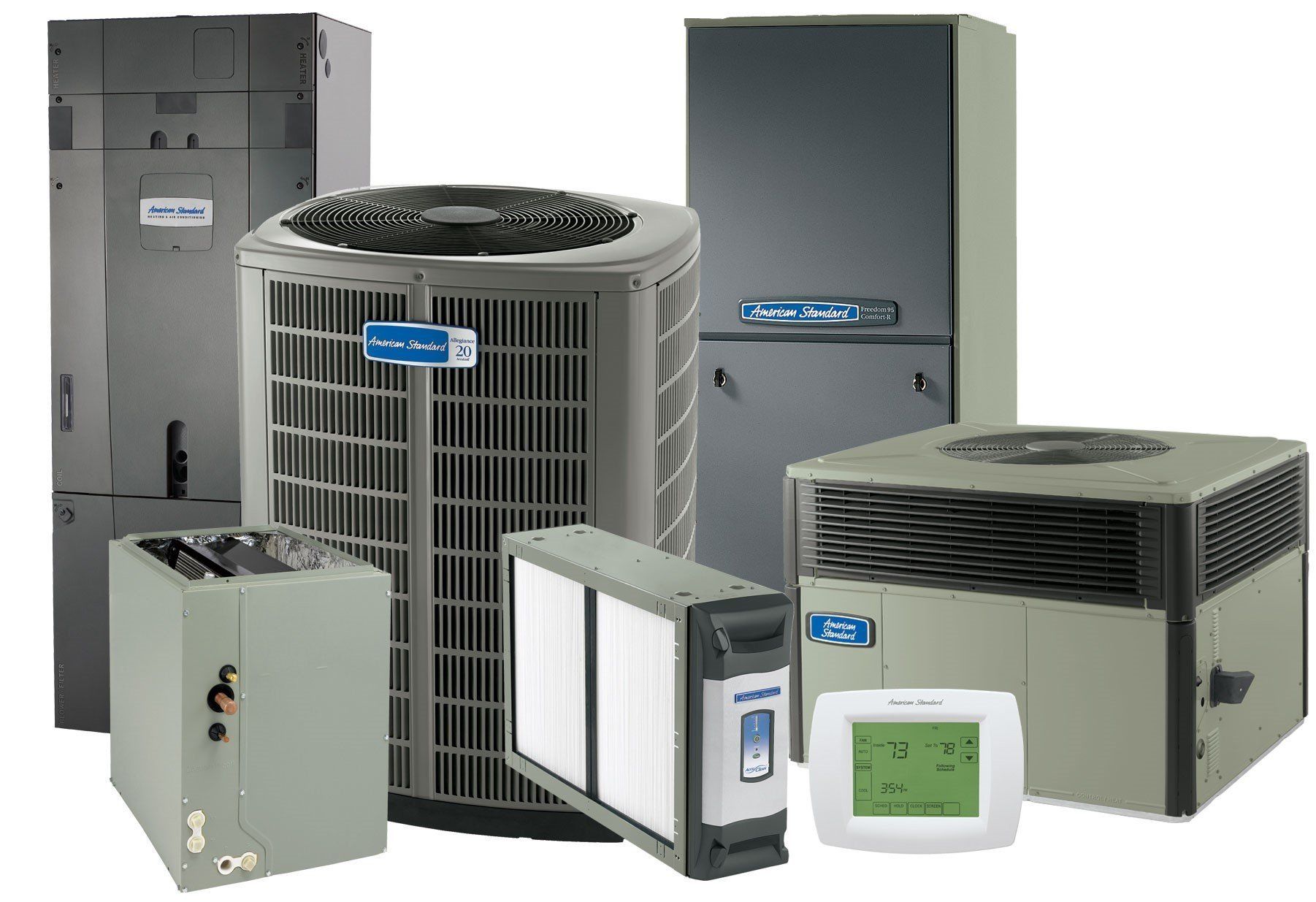
There is an old saying that goes “You get what you pay for,” and we don’t think that could be any truer when it comes to the heating and air conditioning world. At Cudd Heating & Air, we believe that when it comes to your HVAC equipment, you really do get what you pay for (for the most part - there are rare cases where buying the most expensive product and choosing the most expensive contractor will not get you good service). If you are buying the cheapest AC unit, you will most likely run into quite a bit of issues with it. This varies greatly but when you add in the cheapest HVAC contractor to install it, your AC unit problems will increase even more. Below we will discuss some of the reasons we choose to carry the best of the best HVAC equipment, like American Standard.
Energy Efficiency
Energy efficiency is so important – not only for the environment but also for your wallet. Investing in equipment that is high SEER (seasonal energy efficiency ratio) will do you wonders down the road. You will be investing in a piece of equipment that works smarter for you, not just harder. This means the more efficient your equipment, the less you will have to spend on energy bills. American Standard prides themselves on manufacturing energy efficient equipment and you should take pride in purchasing it too.
Reliability
You need to purchase HVAC equipment that is reliable. You are installing costly equipment in your home to keep you comfortable throughout the seasons. If you choose equipment that does not have a reputation for its reliability, you are taking a big gamble. American Standard has won highest rated for customer reliability multiple times over the years. Do your research and make sure you are choosing equipment that can keep your comfortable for a long time.
Customer Backed
Customer reviews can say a lot about a company, product, or service. While they are not always true, you can usually get a good general idea of the product or service you are dealing with. American Standard Heating & Air has built up a solid customer reputation over the years. With tons and tons of great reviews, you have peace of mind when purchasing an American Standard HVAC product. We carry products that are backed by customers and dealers nationwide. If you are interested in learning more about our products at Cudd Heating & Air or have questions about our American Standard Heating & Air equipment, give us a call at 803-377-7512
today!
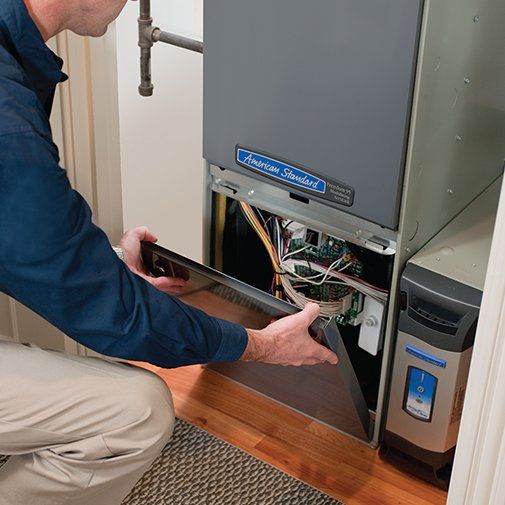
October has arrived in Chester, SC, and while the afternoons can still feel warm, those cooler mornings and evenings are starting to make an appearance. Before long, many homeowners will be switching their thermostats from cooling to heating for the first time in months. But what should you expect when you turn your heat on for the season? A slight smell may be completely normal, while certain noises, odors, or performance issues could be signs that your heating system needs attention. At Cudd Heating & Air Conditioning, we want to help you know the difference so you can head into the cooler months with confidence. That “Burning” Smell May Be Normal — At First If you turn on your heat and notice a dusty or slightly burning smell, don't panic right away. After sitting unused for several months, dust can collect on components inside your heating system. When the heat comes on for the first time, that dust may burn off and create a noticeable odor. In many cases, the smell should fade fairly quickly as the system runs. However, if the odor continues, becomes stronger, smells electrical, or resembles burning plastic, turn the system off and contact an HVAC professional. Listen for Unusual Noises Your heating system shouldn't suddenly become the loudest thing in your house. When you turn it on this fall, listen for sounds such as: Banging or knocking Grinding or scraping Squealing Rattling Persistent clicking A few sounds during startup may not necessarily indicate a serious problem, but new or unusually loud noises shouldn't be ignored. They can sometimes point to loose components, blower motor problems, or other mechanical issues that are easier to address before they cause a breakdown. Make Sure Warm Air Is Actually Coming From Your Vents Once your system has had a few minutes to start up, check a few vents throughout your home. Is the air warm? Is the airflow strong? Are some rooms heating normally while others remain noticeably cooler? Weak airflow or uneven temperatures can have several causes, including a dirty air filter, blocked vents, ductwork issues, or a problem with the heating system itself. Catching these issues during a mild October day is much better than discovering them on the first truly cold night of the season. Check Your Air Filter Before Heating Season One of the easiest things you can do before regularly running your heat is check your HVAC filter. After a long South Carolina summer, your filter may have collected plenty of dust and debris. A dirty filter can restrict airflow, make your HVAC system work harder, and affect how comfortably your home heats. If the filter looks dirty, replace it with the appropriate filter for your system. It's also a good idea to continue checking it regularly throughout heating season. Pay Attention to How Often Your System Runs Your heating system should cycle on and off as needed to maintain the temperature you've selected. If it seems to turn on and off constantly, runs for unusually long periods, or struggles to reach the thermostat setting, there may be an underlying issue. Don't assume that poor heating performance is simply because your system hasn't been used in a while. Having the problem checked early can help you avoid being left without heat when colder weather arrives. Don't Wait for the First Cold Snap to Test Your Heat One of the best things Chester homeowners can do in early fall is simply turn the heat on before they really need it. Choose a cooler morning or evening and let your system run long enough to make sure everything is operating properly. Waiting until temperatures drop significantly can leave you discovering a problem at the same time everyone else is turning on their heat. Testing your system early gives you time to schedule repairs or maintenance without the urgency of a cold house. Get Your Chester, SC Home Ready for Cooler Weather Fall weather in South Carolina doesn't always arrive all at once. We can have warm afternoons followed by surprisingly chilly nights, which makes October the perfect time to make sure your heating system is ready for the season ahead. If something doesn't seem right when you turn on your heat, or you'd simply like the peace of mind of having your system checked before colder weather arrives, Cudd Heating & Air Conditioning is here to help. Our experienced team provides heating maintenance, repairs, and replacement services for homeowners throughout Chester, SC and the surrounding area. Contact Cudd Heating & Air Conditioning today to schedule your heating service and make sure your home is ready when the temperatures start to drop.
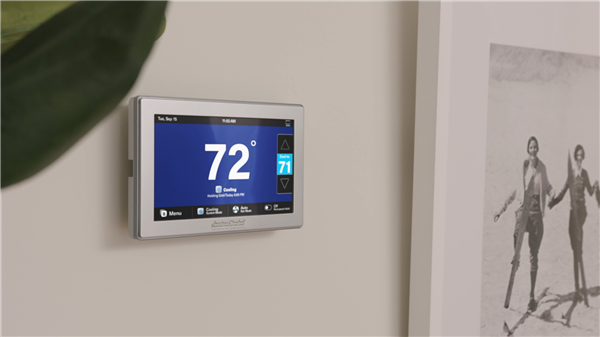
By late August in Chester, SC, your air conditioner has been working hard for months. Between long stretches of hot weather, high humidity, and warm nights, cooling your home can account for a significant portion of your summer energy use. So, seeing a higher electric bill during the summer isn't necessarily surprising. But what if your bill suddenly jumps—or seems much higher than it was around the same time last year? Sometimes, a rising energy bill is more than just a result of hot weather. It can be an early sign that your air conditioning system isn't operating as efficiently as it should. Here are a few common HVAC issues that could be contributing to higher cooling costs in your Chester, SC home. 1. A Dirty Air Filter Is Restricting Airflow Your air filter may be inexpensive, but it plays an important role in how efficiently your cooling system operates. As the filter collects dust, pet hair, pollen, and other debris, airflow through the system can become restricted. Your air conditioner may then have to run longer to reach the temperature you've set on the thermostat. During periods of heavy summer use, it's a good idea to check your filter regularly and replace it when it's dirty. 2. Your Outdoor Unit Needs Attention Your outdoor AC unit has spent the summer exposed to grass clippings, leaves, dirt, and other debris. If airflow around the unit becomes restricted or the outdoor coil becomes excessively dirty, your system may have a harder time releasing heat from your home. Keep vegetation and debris away from the outdoor unit and make sure it has plenty of space for airflow. Cleaning the equipment itself is best left to an HVAC professional who can do it safely and inspect the system at the same time. 3. Your AC Is Running Longer Than It Used To Longer run times aren't automatically a problem, especially during very hot South Carolina weather. Your air conditioner naturally has to work harder as outdoor temperatures rise. What you want to pay attention to is a change in how your system operates . If your AC suddenly seems to run much longer than it did earlier in the summer, struggles to reach the thermostat setting, or rarely shuts off even during milder parts of the day, there could be an underlying problem. Low refrigerant, dirty components, airflow restrictions, thermostat issues, or worn equipment can all affect system performance. 4. Cooled Air Could Be Escaping Through Your Ductwork Not every efficiency problem starts with the air conditioner itself. Your ductwork carries conditioned air throughout your home. If ducts are leaking, disconnected, or poorly sealed, some of that cooled air may never make it to your living spaces. That means your AC has to operate longer to compensate. Uneven temperatures, rooms that are consistently difficult to cool, weak airflow, or unusually dusty areas around vents can sometimes indicate a ductwork issue worth investigating. 5. Your Thermostat Settings Have Changed Before assuming there's something wrong with your AC, take a look at your thermostat. Even a few degrees can make a difference in how much your system runs during hot weather. If someone in the household has been lowering the temperature more than usual, that could be contributing to the higher bill. Also make sure your thermostat is operating correctly and isn't located where direct sunlight, lamps, electronics, or other heat sources could affect its temperature reading. 6. Your Air Conditioner Is Losing Efficiency With Age Air conditioners don't maintain the same efficiency forever. As equipment ages, normal wear and tear can make it more difficult for the system to provide the same level of cooling it once did. An older system may run longer, require more frequent repairs, and consume more electricity than newer, higher-efficiency equipment. That doesn't mean every older AC needs to be replaced. A professional evaluation can help determine whether your system needs a repair, maintenance, or whether replacement is becoming the more practical long-term option. Compare More Than Just the Dollar Amount If this month's electric bill seems unusually high, don't just compare it to your spring bill. Your AC naturally uses much more electricity in August than it does during mild weather. Instead, compare your energy usage with the same month last year if that information is available on your utility statement. If the weather and your household habits are relatively similar but your electricity consumption has increased significantly, your HVAC system may be worth a closer look. Don't Ignore the Signs at the End of Summer After months of keeping up with South Carolina heat, late summer is when small efficiency problems can become much more noticeable. Along with an unexplained increase in your electric bill, watch for: Longer cooling cycles Uneven temperatures throughout your home Weak airflow from the vents Unusual sounds or odors An AC that struggles to reach the thermostat setting More frequent cycling on and off These symptoms don't necessarily mean you need a new air conditioner. Sometimes a relatively simple repair or maintenance issue is responsible. Having the system inspected can help identify the cause before additional strain leads to a larger problem. Finish the South Carolina Cooling Season Strong August may be winding down, but anyone who lives in Chester knows that doesn't necessarily mean the hot weather is finished. If your electric bill has climbed unexpectedly or your air conditioner doesn't seem to be performing like it did at the beginning of summer, Cudd Heating & Air Conditioning can help. Our experienced team can evaluate your system, identify efficiency or performance issues, and recommend the right solution for your home. Contact Cudd Heating & Air Conditioning today to schedule AC service in Chester, SC and keep your home comfortable through the rest of the cooling season.
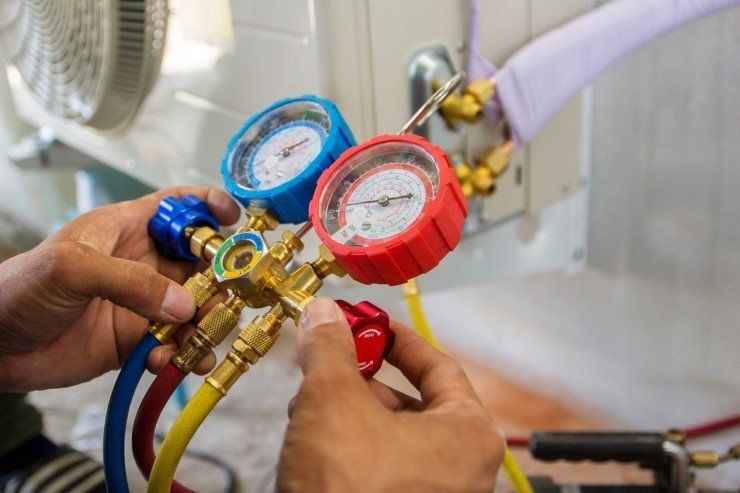
When your air conditioner is running during a hot South Carolina summer, it does more than lower the temperature inside your home. It also removes moisture from the air. That moisture has to go somewhere, which is where your air conditioner’s condensate drain system comes in. During the hottest and most humid part of the year, your cooling system may produce a significant amount of condensation each day. If the drain line becomes clogged or damaged, the result can be water leaks, indoor humidity problems, system shutdowns, and even damage to your home. Understanding the warning signs of a condensate drain problem can help Chester homeowners address it before a small blockage turns into a larger repair. What Is an AC Condensate Drain Line? As warm indoor air passes over your air conditioner’s cold evaporator coil, moisture in the air collects on the coil. This moisture drips into a drain pan and travels through a condensate drain line to a safe location outside the home. When everything is working properly, you may never notice this process. However, dirt, dust, algae, and other buildup can collect inside the drain line over time and restrict the flow of water. Because air conditioners run frequently during July and August, condensate drain systems are especially active during the summer. Warning Signs of a Clogged AC Drain Line A clogged drain line does not always cause an obvious problem right away. Watch for these common warning signs: Water Around the Indoor HVAC Unit Puddles, damp flooring, or water stains near your indoor unit may mean condensation is backing up or overflowing from the drain pan. Do not ignore water near your HVAC equipment. Even a small leak can damage flooring, drywall, ceilings, or nearby belongings. Your Air Conditioner Suddenly Shuts Off Many modern HVAC systems have a safety switch that shuts the air conditioner down when water begins filling the drain pan. This protects your home from water damage, but it can leave you without cooling on a hot afternoon. If the thermostat appears to be working but the air conditioner will not turn on, a backed-up condensate drain could be the cause. Musty or Unpleasant Odors Standing water and organic buildup inside the drain pan or line can create musty odors. These smells may become more noticeable when the system starts running or when you stand near an air vent. Higher Indoor Humidity Your air conditioner should help remove moisture from your indoor air. If condensation is not draining properly, your home may begin to feel sticky, damp, or uncomfortable even when the thermostat shows the correct temperature. Water Stains on Ceilings or Walls Some air handlers are installed in attics, closets, or other areas above finished rooms. A leak from the drain pan may first appear as a discolored spot on the ceiling or wall below the equipment. Address these stains promptly to help prevent further water damage. Why Drain Lines Become Clogged Condensate drain lines are naturally exposed to moisture, creating an environment where algae and other buildup can develop. Dust and debris that pass through the system can also collect in the drain pan and eventually enter the line. Common causes of drain problems include: Algae or organic buildup inside the line Dust and dirt collecting in the drain pan A dirty air filter restricting airflow A cracked, loose, or disconnected drain pipe An improperly sloped drain line Rust or damage in an older drain pan Regular HVAC maintenance can help identify these concerns before they interrupt your cooling. What Homeowners Can Do There are a few simple steps you can take to reduce the likelihood of condensate drain problems. Replace the Air Filter Regularly A dirty filter can allow more dust to collect inside the system while also restricting airflow. Check your filter regularly during the summer and replace it according to the manufacturer’s recommendations. Homes with pets, remodeling projects, or high dust levels may need more frequent filter changes. Look Around the Indoor Unit Periodically check the area around your air handler or furnace for moisture, rust, staining, or unusual odors. Catching a small leak early can help prevent more extensive damage. Keep the Outdoor Drain Opening Clear Depending on your system’s design, the condensate line may drain outside near the foundation. Make sure the opening is not blocked by soil, landscaping, insects, or debris. Schedule Professional Maintenance During an HVAC maintenance visit, a technician can inspect the drain pan, check the condensate line, test safety switches, and look for signs of buildup or leakage. Professional maintenance is especially valuable before or during peak cooling season, when your system is handling the greatest amount of heat and moisture. Do Not Ignore an AC Water Leak Water around your HVAC system is not a normal inconvenience that should be left until the end of summer. A clogged drain line can shut down your air conditioner, damage your home, or indicate another problem with the system. If you notice leaking water, musty odors, high indoor humidity, or an unexpected AC shutdown, turn to an experienced HVAC professional for help. Keep Your Chester Home Cool and Dry Hot, humid weather keeps air conditioners busy throughout the summer in Chester, SC. Making sure condensation can drain properly is an important part of keeping your cooling system reliable and protecting your home from unnecessary water damage. Cudd Heating & Air Conditioning Inc. is here to help with air conditioning repairs, maintenance, and system evaluations. Contact our team today if you suspect a clogged condensate drain or need help keeping your HVAC system operating properly through the South Carolina summer.
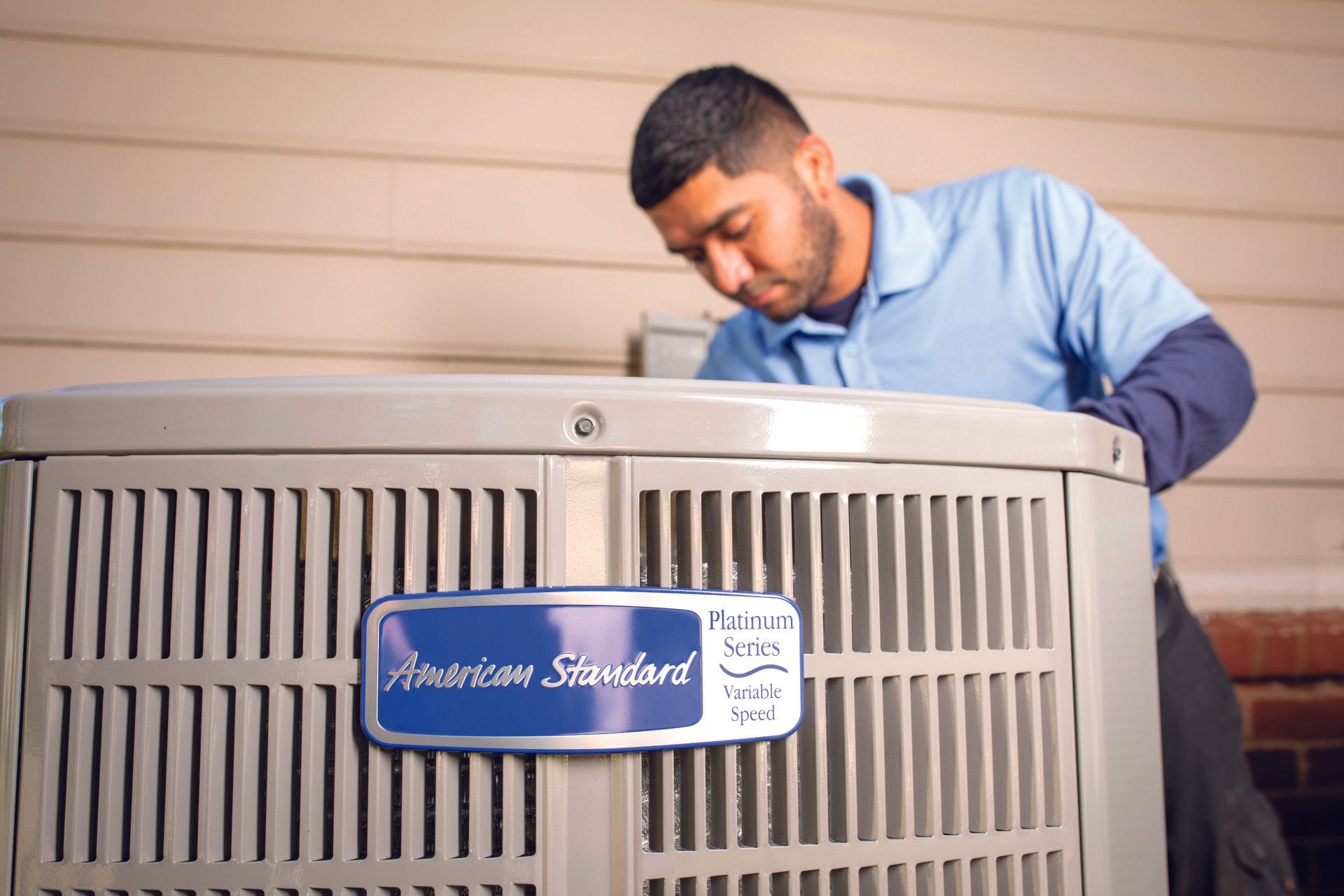
When summer arrives in Chester, SC, homeowners expect their air conditioners to run more often. But when temperatures climb into the 90s for days at a time, many people begin to wonder if something is wrong with their HVAC system because it seems to run nonstop. In reality, your air conditioner may be doing exactly what it's designed to do. Understanding how your cooling system performs during extreme summer heat can help you stay comfortable, reduce unnecessary service calls, and recognize when it's time to bring in a professional. Your Air Conditioner Isn't Designed to Create Arctic Temperatures One of the biggest misconceptions homeowners have is that an air conditioner should be able to cool their home to any temperature they choose, regardless of outdoor conditions. Most residential HVAC systems are designed to maintain indoor temperatures approximately 15 to 20 degrees cooler than the air entering the system. When outdoor temperatures reach the mid-to-upper 90s, your air conditioner may need to run for extended periods to keep your home comfortable. In fact, longer run times during extreme heat are often a sign that your system is working properly. Why Heat Waves Put Extra Stress on HVAC Systems South Carolina summers bring more than just high temperatures. Increased humidity, strong sunlight, and extended periods of hot weather all place additional demands on your cooling equipment. During a heat wave, your system must: Remove more heat from your home Control indoor humidity Compensate for heat entering through windows and doors Cool the home during the hottest part of the day As a result, your air conditioner may run much longer than it does during milder weather. Small Changes That Can Make a Big Difference While you can't control the weather, there are several ways to help your HVAC system perform more efficiently during periods of extreme heat. Keep Blinds and Curtains Closed Direct sunlight can significantly increase indoor temperatures. Closing blinds during the afternoon can reduce heat gain and ease the burden on your cooling system. Avoid Heat-Producing Activities During Peak Hours Cooking, using the oven, and running certain appliances can add extra heat to your home. When possible, schedule these activities during the morning or evening. Don't Continuously Lower the Thermostat Many homeowners try to cool their homes faster by setting the thermostat dramatically lower. Unfortunately, this doesn't make the system cool any faster—it simply causes it to run longer. Setting a consistent temperature often delivers the best results. Change Your Air Filter A dirty air filter restricts airflow and makes it harder for your system to keep up during hot weather. Replacing the filter regularly can improve performance and efficiency. When Longer Run Times Are a Sign of a Problem While extended operation during a heat wave is normal, there are some situations that warrant professional attention. Contact an HVAC technician if you notice: Warm air coming from vents Ice forming on refrigerant lines Unusual noises Dramatically higher utility bills Indoor temperatures continuing to rise despite constant operation These symptoms may indicate a mechanical issue that should be addressed before it leads to a breakdown. Stay Cool All Summer Long Summer heat in Chester can be relentless, but understanding how your air conditioner performs during extreme weather can help you get the most from your system. If your air conditioner is struggling to keep up, the team at Cudd Heating & Air is here to help. Whether you need a repair, system evaluation, or expert advice, we're committed to keeping your family comfortable throughout the hottest days of the year. Contact Cudd Heating & Air today to schedule service and keep your cooling system ready for whatever this South Carolina summer brings. Check out our air conditioning service page to learn more about how we can keep your Chester, SC home cool this summer.

As we move from spring into summer here in Chester, many homeowners are enjoying warmer temperatures, longer days, and more time outdoors. But along with the seasonal warmth comes something else that is common across South Carolina this time of year: frequent thunderstorms, rising humidity levels, and sudden weather changes. While most homeowners think about storm preparation for their roofs, windows, and landscaping, many don't realize that their HVAC system can also be affected by seasonal storms and excess moisture. At Cudd Heating & Air Conditioning, we want to help you keep your system running efficiently through every season. Here are a few ways spring and early summer weather can impact your HVAC equipment—and what you can do to protect it. 1. Power Surges Can Damage HVAC Components Thunderstorms often bring lightning and power fluctuations. Even if your home doesn't take a direct strike, nearby lightning activity can create electrical surges that damage sensitive HVAC components such as: Circuit boards Capacitors Compressors Thermostat controls If your air conditioner suddenly stops working after a storm, an electrical surge may be the culprit. Tip: Consider installing a whole-home surge protector to help protect your HVAC system and other valuable electronics. 2. Heavy Rain Can Affect Outdoor Equipment Your outdoor condenser unit is designed to withstand normal weather conditions, but severe storms can still create problems. Potential issues include: Debris accumulation around the unit Fallen branches damaging components Flooding or standing water near the system Restricted airflow caused by leaves and vegetation After a major storm, it's a good idea to visually inspect the area around your outdoor unit and remove any debris that may block airflow. 3. Rising Humidity Makes Your System Work Harder One of the biggest comfort challenges during late spring in South Carolina isn't just the temperature—it's the humidity. When humidity levels rise: Your home may feel warmer than the thermostat setting Indoor air can feel sticky or uncomfortable Your air conditioner has to work harder to remove moisture from the air This additional workload can increase energy consumption and place extra strain on aging equipment. If your home feels damp even when the AC is running, it may be time to have your system evaluated. 4. Dirty Air Filters Become a Bigger Problem Spring storms often stir up pollen, dust, and airborne debris. These particles eventually end up in your HVAC filter. A clogged filter can: Reduce airflow Lower efficiency Increase utility costs Make your system run longer than necessary Checking your filter monthly during spring and summer can help maintain proper airflow and improve indoor comfort. 5. Preventive Maintenance Helps You Stay Ahead The best way to prepare your HVAC system for storm season and summer heat is through professional maintenance. During a maintenance visit, a technician can: Inspect electrical components Check refrigerant levels Clean coils Verify proper drainage Test system performance Identify potential issues before they become costly repairs. Addressing small problems early can help prevent inconvenient breakdowns when temperatures reach their peak. Stay Comfortable Through Every South Carolina Storm Spring weather in Chester can be unpredictable, but your indoor comfort shouldn't be. A little attention to your HVAC system now can help prevent costly repairs and keep your home comfortable throughout the summer months. If you'd like to schedule a seasonal inspection or have concerns about how recent storms may have affected your system, the experienced team at Cudd Heating & Air Conditioning is here to help. Contact us today to schedule your HVAC maintenance and keep your system ready for whatever the South Carolina weather brings next.
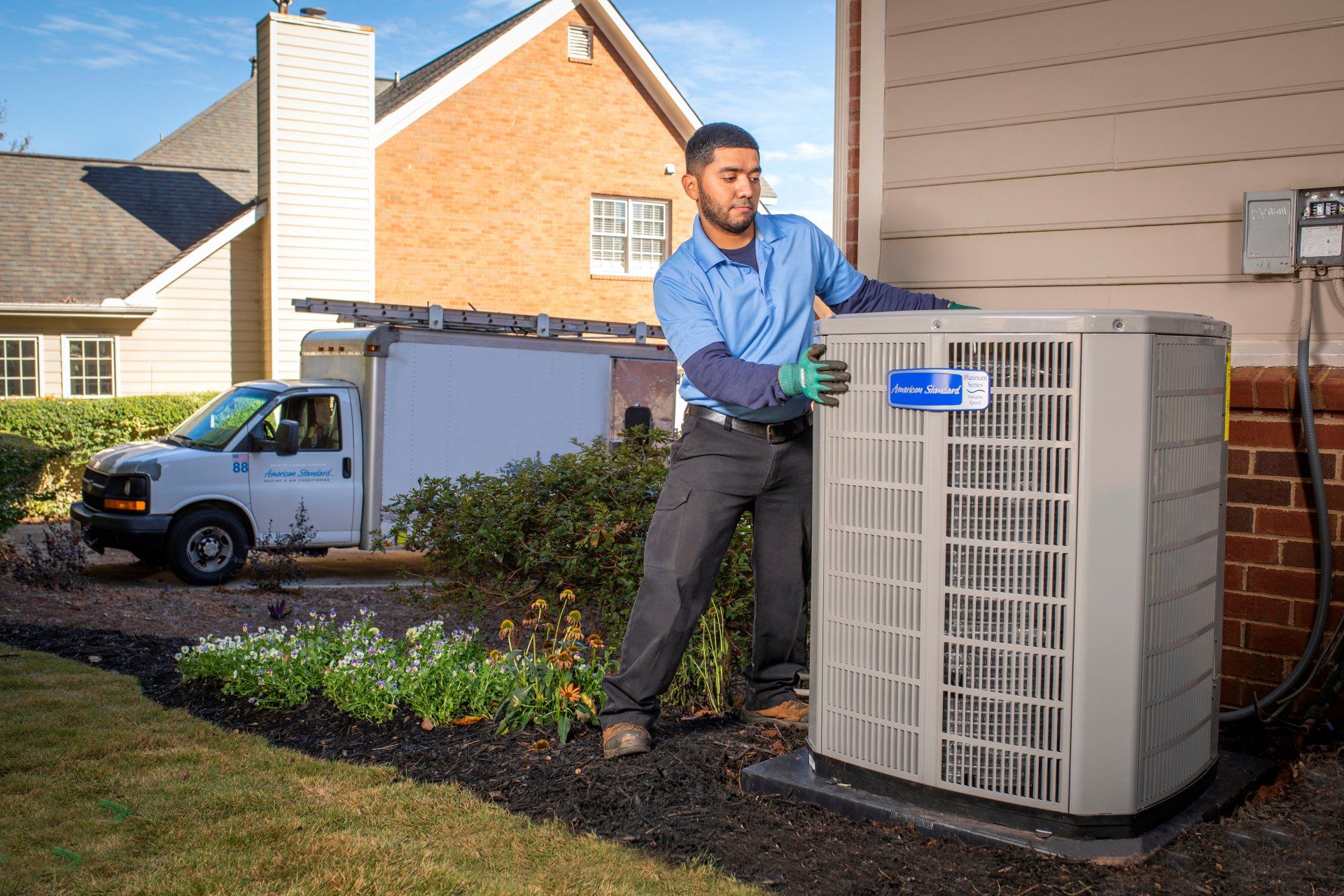
Spring in Chester, SC brings warmer temperatures, blooming trees, and unfortunately — rising humidity. Even before the intense summer heat arrives, many homeowners start noticing their home feels sticky, muggy, or uncomfortable indoors. If you’ve found yourself lowering the thermostat just to feel less humid, your HVAC system could be playing a bigger role than you think. At Cudd Heating & Air Conditioning, we help homeowners throughout Chester stay comfortable during every season, and spring humidity is one of the most common comfort complaints this time of year. Why Humidity Feels Worse During Spring in South Carolina South Carolina springs often bring a mix of warm afternoons, cool evenings, and frequent rain showers. That combination creates excess moisture in the air both outside and inside your home. High indoor humidity can make your home feel: Warmer than the actual temperature Sticky or damp Musty or stale More uncomfortable at night Humidity also impacts indoor air quality and can contribute to mold growth, dust mites, and allergy irritation — especially during peak pollen season. Spring conditions across the Southeast are known for increasing both moisture and allergens in the air. How Your HVAC System Controls Humidity Many homeowners think their air conditioner only cools the air, but it also removes moisture from your home. As warm indoor air moves through your system, excess humidity is pulled out during the cooling process. However, if your system is struggling, oversized, or not properly maintained, it may cool your home without effectively removing enough moisture. Common HVAC-related causes of high indoor humidity include: Dirty air filters restricting airflow Low refrigerant levels Oversized AC systems that cool too quickly Dirty evaporator coils Leaky ductwork Aging equipment losing efficiency If your home constantly feels damp even when the AC is running, your system may need professional attention. Signs Your Home Has Excess Indoor Humidity Not sure if humidity is becoming a problem? Here are a few common warning signs: Condensation on windows Musty odors Sticky feeling on skin or floors Rooms feeling warmer than thermostat settings Increased allergy symptoms Mold or mildew around vents or bathrooms These issues often become more noticeable during late spring as temperatures and moisture levels rise throughout Chester and surrounding areas. Simple Ways to Reduce Indoor Humidity The good news is there are several ways to improve comfort and lower indoor moisture levels before summer arrives. Change Your Air Filter Regularly A clogged filter restricts airflow and prevents your system from operating efficiently. Replacing filters every 1–3 months can improve both cooling and humidity control. Schedule Seasonal HVAC Maintenance Professional maintenance helps ensure your system is properly removing moisture while operating efficiently. Spring is the ideal time for a tune-up before the hottest weather arrives. Use a Programmable Thermostat Keeping consistent indoor temperatures helps your system maintain better humidity balance throughout the day. Check for Air Leaks Warm, humid outdoor air can enter through poorly sealed doors, windows, and ductwork, making your system work harder. Consider a Whole-Home Dehumidifier For homes with persistent humidity problems, a whole-home dehumidifier can dramatically improve comfort and indoor air quality. Stay Comfortable Before Summer Arrives As temperatures continue climbing in Chester, your HVAC system will soon be working harder every day. Addressing humidity problems early can help your home feel cooler, improve indoor air quality, and reduce strain on your system heading into summer. At Cudd Heating & Air Conditioning, our experienced team provides professional maintenance, repairs, and system upgrades to keep your home comfortable through every South Carolina season. If your home already feels humid this spring, now is the perfect time to schedule an HVAC inspection before the summer heat fully arrives. Check out our services page to learn more about how we can keep your Chester, SC home cool and comfortable all spring and summer long!