
Why Your Heat Pump Might Run Differently as Temperatures Drop in Chester, SC
Fall is in full swing here in Chester, SC! The mornings are getting chillier, the leaves are changing colors, and homeowners are starting to rely on their heating systems a little more often. If your home uses a heat pump, you might notice that it starts behaving a little differently as the temperatures drop. Maybe it's running longer than usual, making unfamiliar sounds, or even producing what looks like steam from the outdoor unit. Before you assume something is wrong, there's good news! Many of these changes are completely normal during colder weather. At Cudd Heating & Air Conditioning, we want homeowners throughout Chester and the surrounding areas to understand how their heating systems work so they can recognize what's normal and when it's time to call for help.
1. Your Heat Pump May Run Longer When It's Cold Outside
One of the biggest differences between a heat pump and a traditional furnace is how it heats your home. Instead of generating heat by burning fuel, a heat pump transfers heat from the outdoor air into your home. Even when the air outside feels cold, there's still heat energy available for the system to use. However, as outdoor temperatures drop, your heat pump has to work harder to extract that heat. You might notice:
- Longer heating cycles
- The outdoor unit running more frequently
- Your home taking a little longer to reach the desired temperature
- Slight changes in the temperature of the air coming from your vents
These changes aren't necessarily signs of a problem. In fact, longer, steadier heating cycles can be perfectly normal for a heat pump during cooler weather. However, if your system runs constantly and still can't maintain a comfortable indoor temperature, it may be time for a professional inspection.
2. Seeing Steam Coming From Your Outdoor Unit? Don't Panic!
Imagine looking outside on a chilly November morning and seeing what appears to be smoke rising from your outdoor HVAC unit.
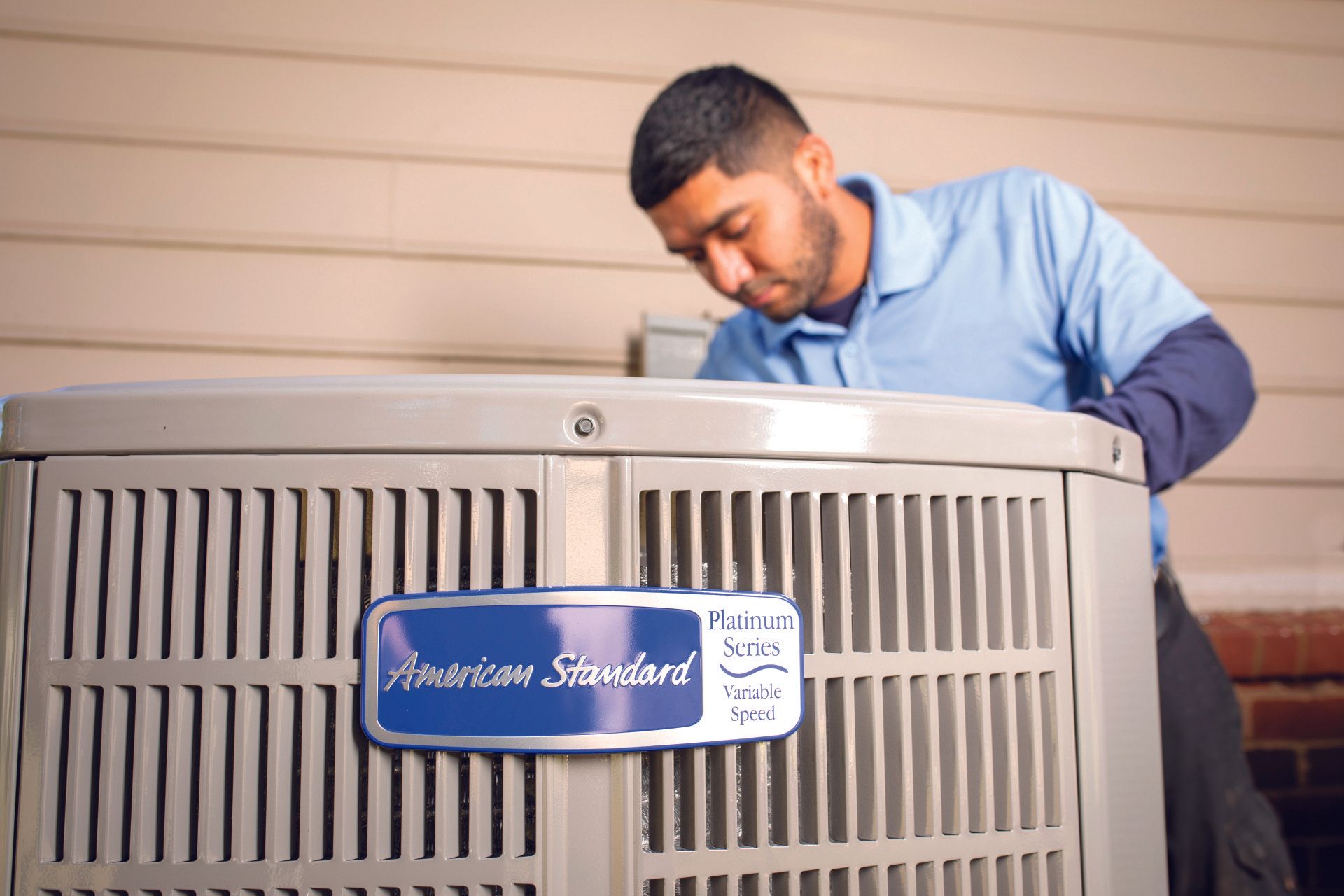
It might look alarming, but there's a good chance you're simply witnessing your heat pump's defrost cycle. When temperatures drop, moisture in the outdoor air can freeze on your heat pump's outdoor coil. To prevent excessive ice buildup, the system periodically enters a defrost cycle to melt that frost. During this process, you might notice:
- Steam rising from the outdoor unit
- A temporary change in the sound of the system
- The outdoor fan stopping briefly
- Your system temporarily changing how it operates
These are often normal parts of the defrost process. When should you be concerned? If your outdoor unit becomes covered in thick ice that doesn't melt, repeatedly struggles to defrost, or stops heating your home effectively, there could be an issue that needs attention. A little frost can be normal. A heat pump encased in ice is not!
3. What Does "AUX HEAT" Mean on Your Thermostat?
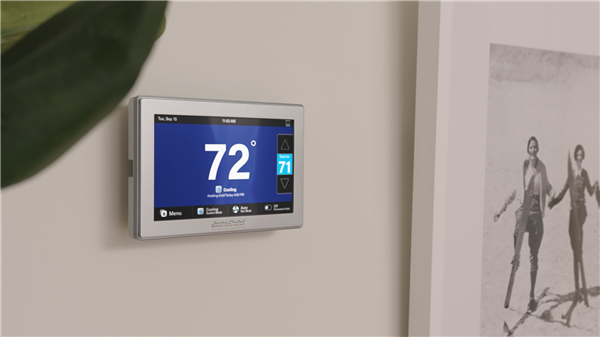
Have you ever looked at your thermostat on a cold morning and noticed the words "AUX HEAT"? If so, you're not alone! This is one of the most common questions homeowners have about heat pumps. AUX HEAT stands for auxiliary heat, which is a supplemental heating source that helps your heat pump keep your home comfortable when additional warmth is needed. For many heat pump systems, auxiliary heat comes from electric resistance heating elements. You might see AUX HEAT appear when:
- Outdoor temperatures drop significantly
- Your heat pump needs additional help maintaining the indoor temperature
- You increase your thermostat setting by several degrees
- Your system is temporarily in a defrost cycle
In many cases, auxiliary heat turning on occasionally is completely normal. However, if AUX HEAT seems to run constantly, even during relatively mild weather, your system may need to be checked. Because electric resistance heating can use more electricity than normal heat pump operation, excessive auxiliary heat usage can also contribute to higher utility bills.
4. Your Heat Pump Might Make Different Sounds in the Winter
Most homeowners get used to the familiar hum of their air conditioning system during South Carolina's hot summer months. But when that same equipment starts operating in heating mode, you may notice some different sounds. For example, you might hear a brief whooshing or shifting sound when the system switches into or out of defrost mode. You may also notice the outdoor unit changing its operating speed or sound as heating demands increase. These changes can be normal. However, loud grinding, banging, screeching, or persistent rattling sounds shouldn't be ignored. If your heat pump suddenly starts making unusual or concerning noises, having it inspected can help prevent a small mechanical issue from turning into a more expensive repair.
5. Don't Confuse Emergency Heat With Auxiliary Heat
While auxiliary heat and emergency heat may use the same backup heating equipment, they serve different purposes. Auxiliary heat typically turns on automatically when your heat pump needs additional heating assistance. Emergency heat, on the other hand, is a separate thermostat setting that generally bypasses normal heat pump operation and relies on the backup heating source. Emergency heat is typically intended for situations where the heat pump cannot operate properly, such as certain equipment failures. Some homeowners assume switching to emergency heat will warm their home faster on a cold morning, but that's not what the setting is designed for. Using emergency heat unnecessarily can increase energy consumption, particularly on systems with electric resistance backup heat. Helpful tip: Leave your thermostat in its normal HEAT setting unless an HVAC professional recommends otherwise.
6. How Can You Tell If Your Heat Pump Actually Needs Repair?
While some changes in heat pump operation are normal during colder weather, others may indicate that something isn't working correctly. Keep an eye out for these warning signs:
- Your home isn't reaching the temperature set on your thermostat.
- Your outdoor unit is covered in thick ice that won't melt.
- Your system is making loud or unusual noises.
- Auxiliary heat is running much more frequently than expected.
- Your heat pump repeatedly turns on and off without properly heating your home.
- Your energy bills increase unexpectedly without an obvious explanation.
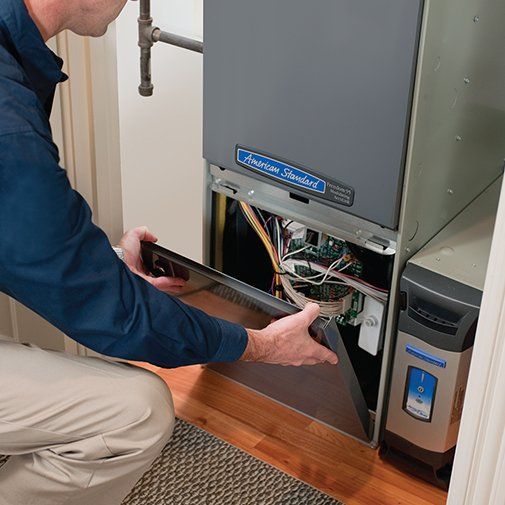
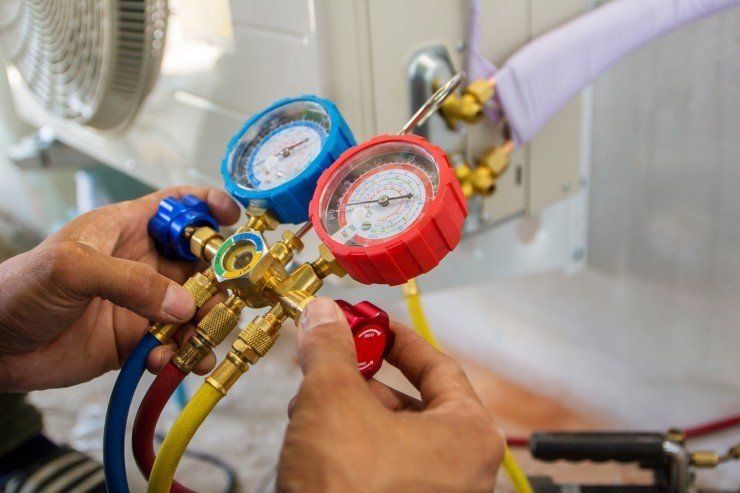
If you're experiencing any of these issues, it's best to have a qualified HVAC technician inspect your system. Identifying problems early can help you avoid an unexpected breakdown when winter temperatures arrive.
Stay Comfortable as Chester Heads Into Winter
Anyone who has lived in Chester, SC, knows that fall weather can be unpredictable. One afternoon might be sunny and comfortable, while the next morning has you reaching for a jacket before heading out the door. As we move into November and December, your heat pump will likely be working harder to keep your home comfortable. Understanding how your system operates during colder weather can help you avoid unnecessary worry while also recognizing when something needs professional attention. And if your heat pump hasn't been serviced recently, scheduling a professional maintenance appointment is a great way to make sure it's prepared for the colder months ahead.
Trust Cudd Heating & Air Conditioning for Your Heating Needs
Your heating system plays an important role in keeping your family comfortable throughout the fall and winter. At Cudd Heating & Air Conditioning, we've proudly served Chester, SC, and the surrounding communities for more than 30 years, helping homeowners keep their heating and cooling systems running reliably year-round. Whether your heat pump is making unusual noises, struggling to keep up with colder temperatures, or simply needs routine maintenance, our experienced team is here to help.
Don't wait until the coldest day of the year to find out your heating system needs attention! Call Cudd Heating & Air Conditioning at 803-377-7512 to schedule your heating service and make sure your home is ready for whatever South Carolina's winter weather brings!