How Spring Storms Can Impact Your HVAC System in Chester, SC
As we move from spring into summer here in Chester, many homeowners are enjoying warmer temperatures, longer days, and more time outdoors. But along with the seasonal warmth comes something else that is common across South Carolina this time of year: frequent thunderstorms, rising humidity levels, and sudden weather changes. While most homeowners think about storm preparation for their roofs, windows, and landscaping, many don't realize that their HVAC system can also be affected by seasonal storms and excess moisture.
At Cudd Heating & Air Conditioning, we want to help you keep your system running efficiently through every season. Here are a few ways spring and early summer weather can impact your HVAC equipment—and what you can do to protect it.
1. Power Surges Can Damage HVAC Components
Thunderstorms often bring lightning and power fluctuations. Even if your home doesn't take a direct strike, nearby lightning activity can create electrical surges that damage sensitive HVAC components such as:
- Circuit boards
- Capacitors
- Compressors
- Thermostat controls
If your air conditioner suddenly stops working after a storm, an electrical surge may be the culprit.
Tip: Consider installing a whole-home surge protector to help protect your HVAC system and other valuable electronics.
2. Heavy Rain Can Affect Outdoor Equipment
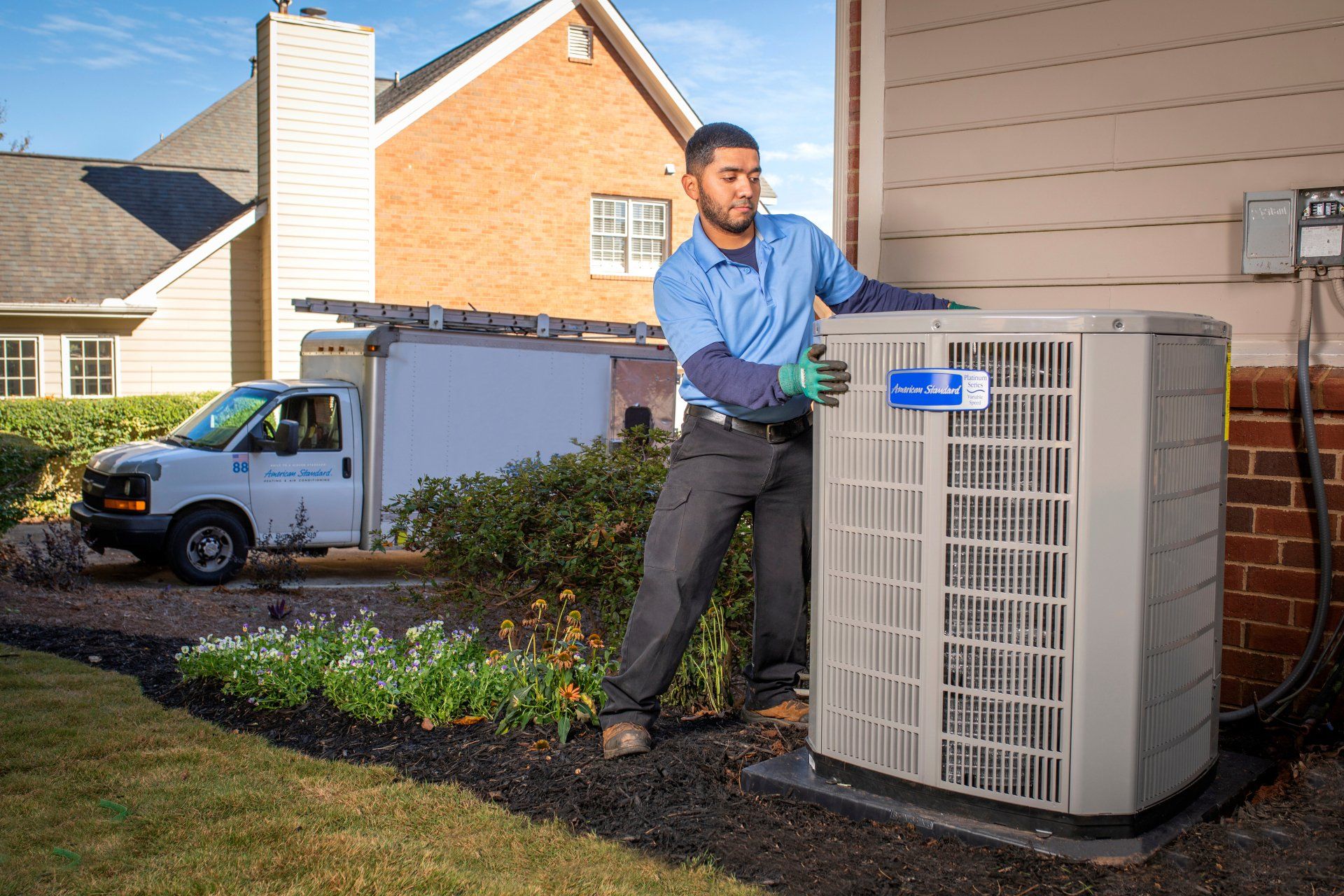
Your outdoor condenser unit is designed to withstand normal weather conditions, but severe storms can still create problems. Potential issues include:
- Debris accumulation around the unit
- Fallen branches damaging components
- Flooding or standing water near the system
- Restricted airflow caused by leaves and vegetation
After a major storm, it's a good idea to visually inspect the area around your outdoor unit and remove any debris that may block airflow.
3. Rising Humidity Makes Your System Work Harder
One of the biggest comfort challenges during late spring in South Carolina isn't just the temperature—it's the humidity. When humidity levels rise:
- Your home may feel warmer than the thermostat setting
- Indoor air can feel sticky or uncomfortable
- Your air conditioner has to work harder to remove moisture from the air
This additional workload can increase energy consumption and place extra strain on aging equipment. If your home feels damp even when the AC is running, it may be time to have your system evaluated.
4. Dirty Air Filters Become a Bigger Problem
Spring storms often stir up pollen, dust, and airborne debris. These particles eventually end up in your HVAC filter. A clogged filter can:
- Reduce airflow
- Lower efficiency
- Increase utility costs
- Make your system run longer than necessary
Checking your filter monthly during spring and summer can help maintain proper airflow and improve indoor comfort.
5. Preventive Maintenance Helps You Stay Ahead
The best way to prepare your HVAC system for storm season and summer heat is through professional maintenance.
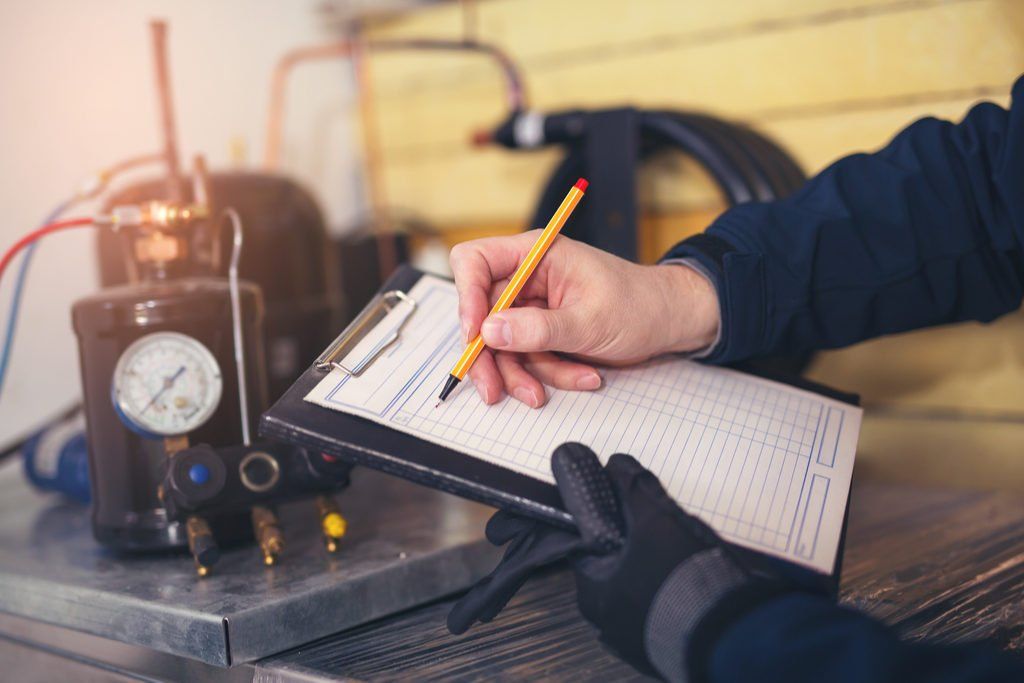
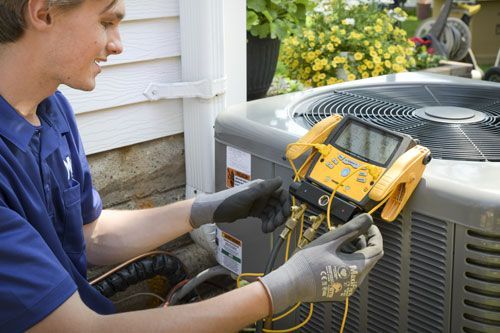
During a maintenance visit, a technician can:
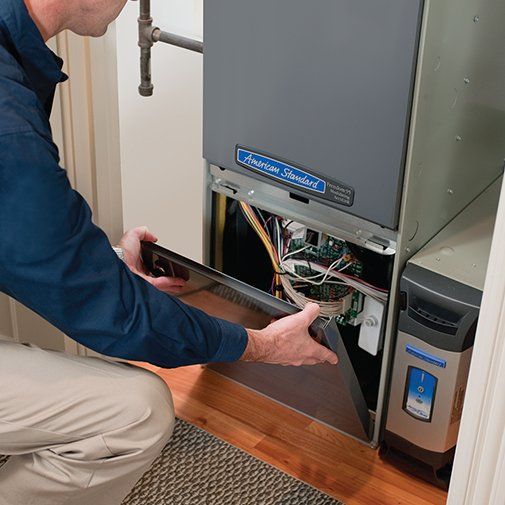
- Inspect electrical components
- Check refrigerant levels
- Clean coils
- Verify proper drainage
- Test system performance
Identify potential issues before they become costly repairs. Addressing small problems early can help prevent inconvenient breakdowns when temperatures reach their peak.
Stay Comfortable Through Every South Carolina Storm
Spring weather in Chester can be unpredictable, but your indoor comfort shouldn't be. A little attention to your HVAC system now can help prevent costly repairs and keep your home comfortable throughout the summer months.
If you'd like to schedule a seasonal inspection or have concerns about how recent storms may have affected your system, the experienced team at Cudd Heating & Air Conditioning is here to help. Contact us today to schedule your HVAC maintenance and keep your system ready for whatever the South Carolina weather brings next.